The problem: hard water and chlorine in your shower
Most European and many US homes have hard water. Dissolved calcium and magnesium create limescale on fixtures and skin. Chlorine added for disinfection worsens skin and hair dryness. Two main solutions exist.
Water softener: the whole-house solution
A water softener treats all cold water entering your home through ion exchange, replacing calcium and magnesium with sodium.
Cons: £600–2,000 installation · landlord permission often required · regular salt purchases · softened water not recommended for drinking · does not remove chlorine
10-year cost: £1,600–4,000
Shower filter: targeted, affordable, no installation
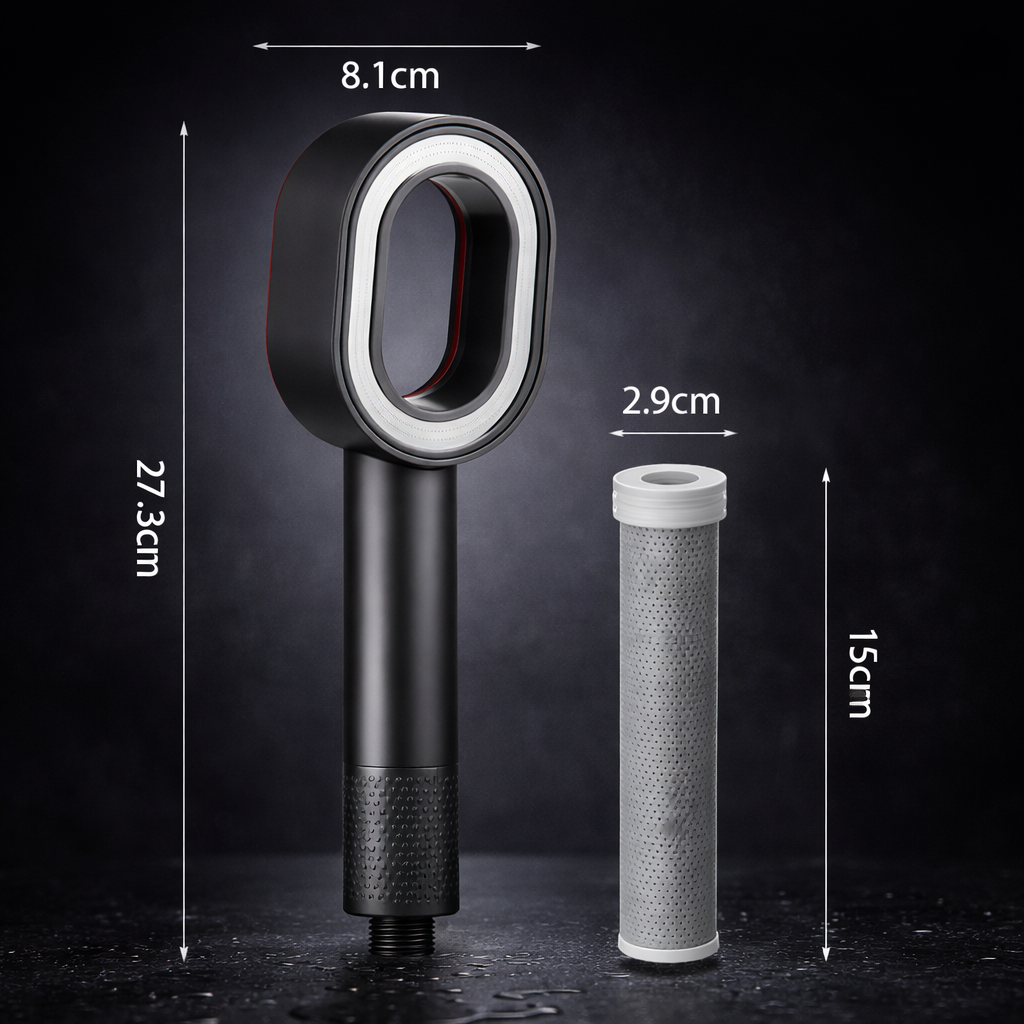
A filtered shower head treats only shower water — where exposure is highest (skin absorption, vapour inhalation, prolonged contact). Activated carbon removes chlorine and reduces hardness.
Cons: treats shower water only · cartridge replacement every 6–12 months
10-year cost: £150–300
97% chlorine + limescale filtration + pressure boost. 20-second install.
Our verdict
If your goal is better skin and hair: a filtered shower head is the most cost-effective solution. The shower is the single highest-exposure route to chlorine and hard water minerals.
If you also want to protect appliances (washing machine, dishwasher, boiler) and you own your home: a water softener may be worth considering.
For most people — especially renters — the Limpéa at €49.99 delivers better shower water quality at a fraction of the cost of any whole-house system.